NATIONAL ASSOCATION OF STORM CHASERS & TRAINING
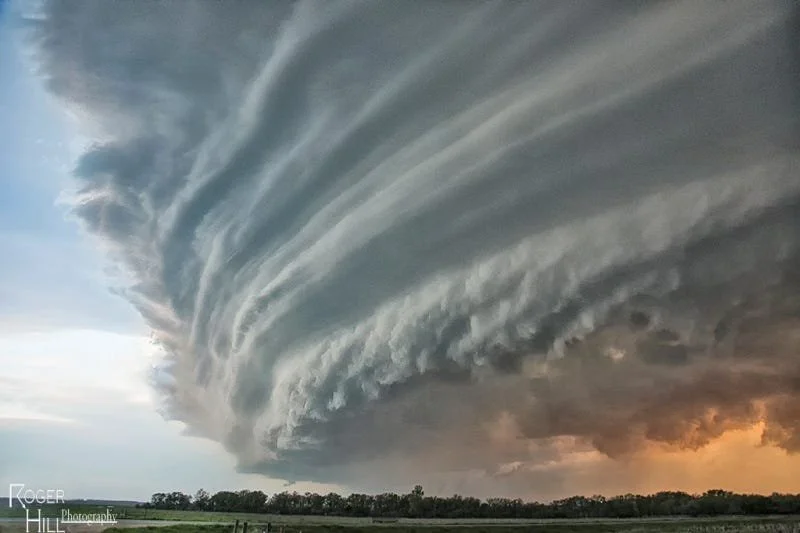
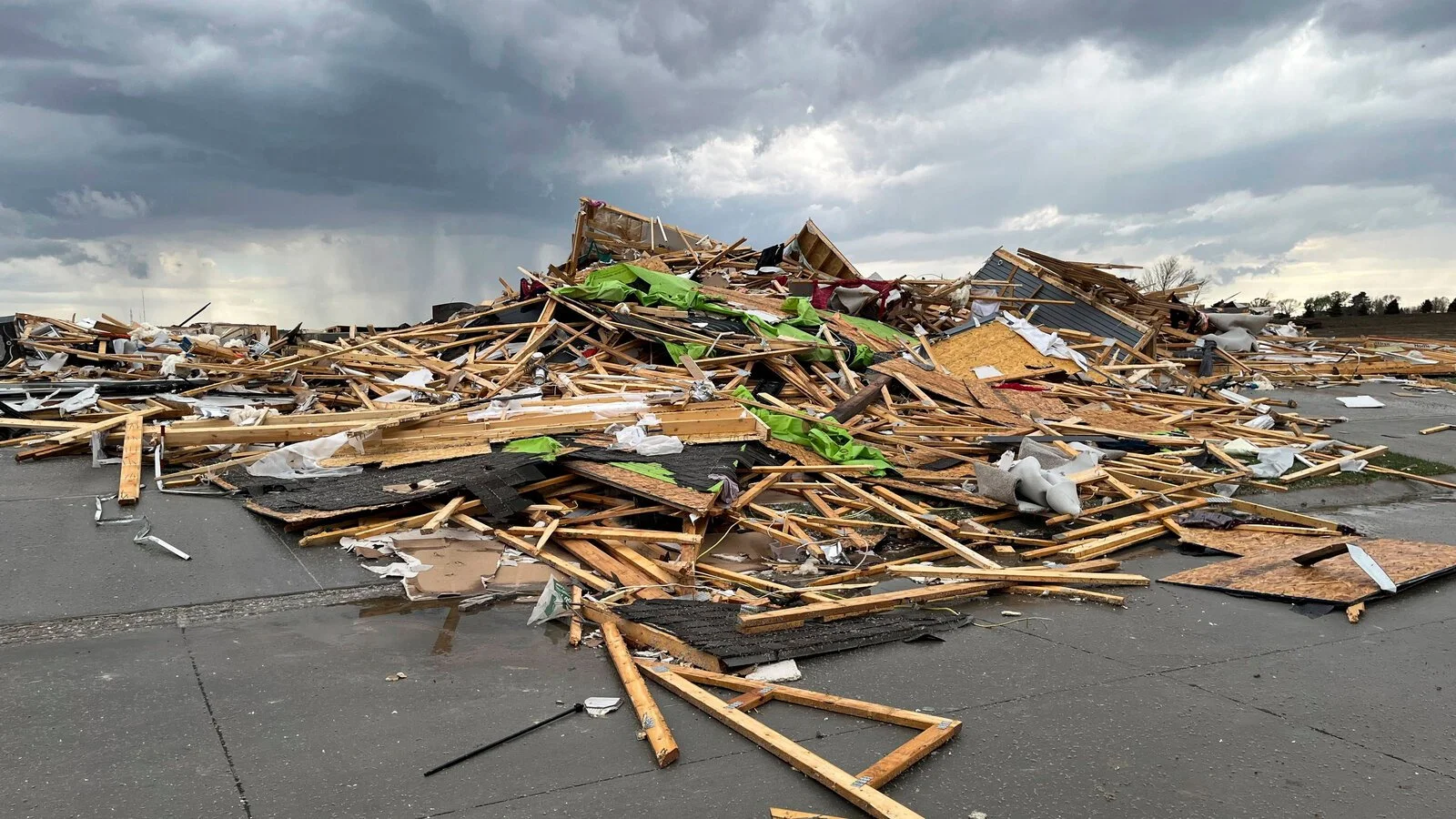
With the Changing Climate and the amount of people getting into storm chasing, we have seen the need to have certifications for the teams and to help make training uniform across the nation. NASCT is an organization to help better the training, education, and safety of the chasers out there both professional and novice.
The National Association of Storm Chasers & Training (NASCT) provides standardized, accredited certification programs designed to raise the baseline of knowledge, skills, and safety practices for storm chasers nationwide. Our mission is to protect lives, property, and the integrity of meteorological fieldwork by ensuring chasers—whether professional, volunteer, or hobbyist—operate with consistent, evidence-based training.
Why certification and standardized training matter
Increasing participation: More individuals are drawn to storm chasing every year. Formal training reduces risky behavior that can endanger chasers, bystanders, and first responders.
Climate-driven volatility: As severe weather patterns shift and intensify, chasers encounter more unpredictable and powerful storms. Uniform training prepares teams to respond safely to evolving conditions.
Professional credibility: Certification creates a recognized standard for media, researchers, emergency managers, and the public to identify qualified chasers.
Coordination and interoperability: Standardized training enables teams from different regions and organizations to work together seamlessly during large-scale events and research missions.
NASCT certification programs
Foundation Storm Awareness (Level 1): Core meteorology, storm structure, basic safety protocols, situational awareness, and ethics for new chasers and volunteers. This is Skywarn classes.
Field Operations & Safety (Level 2): Advanced driving and vehicle prep, on-scene risk assessment, communication procedures, first aid/CPR tailored to field operations, and group dynamics.
Tactical Storm Response (Level 3): Advanced forecasting techniques, mobile radar and remote sensing basics, decision-making under pressure, team leadership, and incident command integration.
Research & Data Collection Endorsement: Protocols for standardized data capture, instrumentation use, data quality control, and coordination with scientific research partners.
Media & Public Interaction Endorsement: Guidelines for safe and ethical interaction with media, public communications during events, and protecting privacy and property rights.
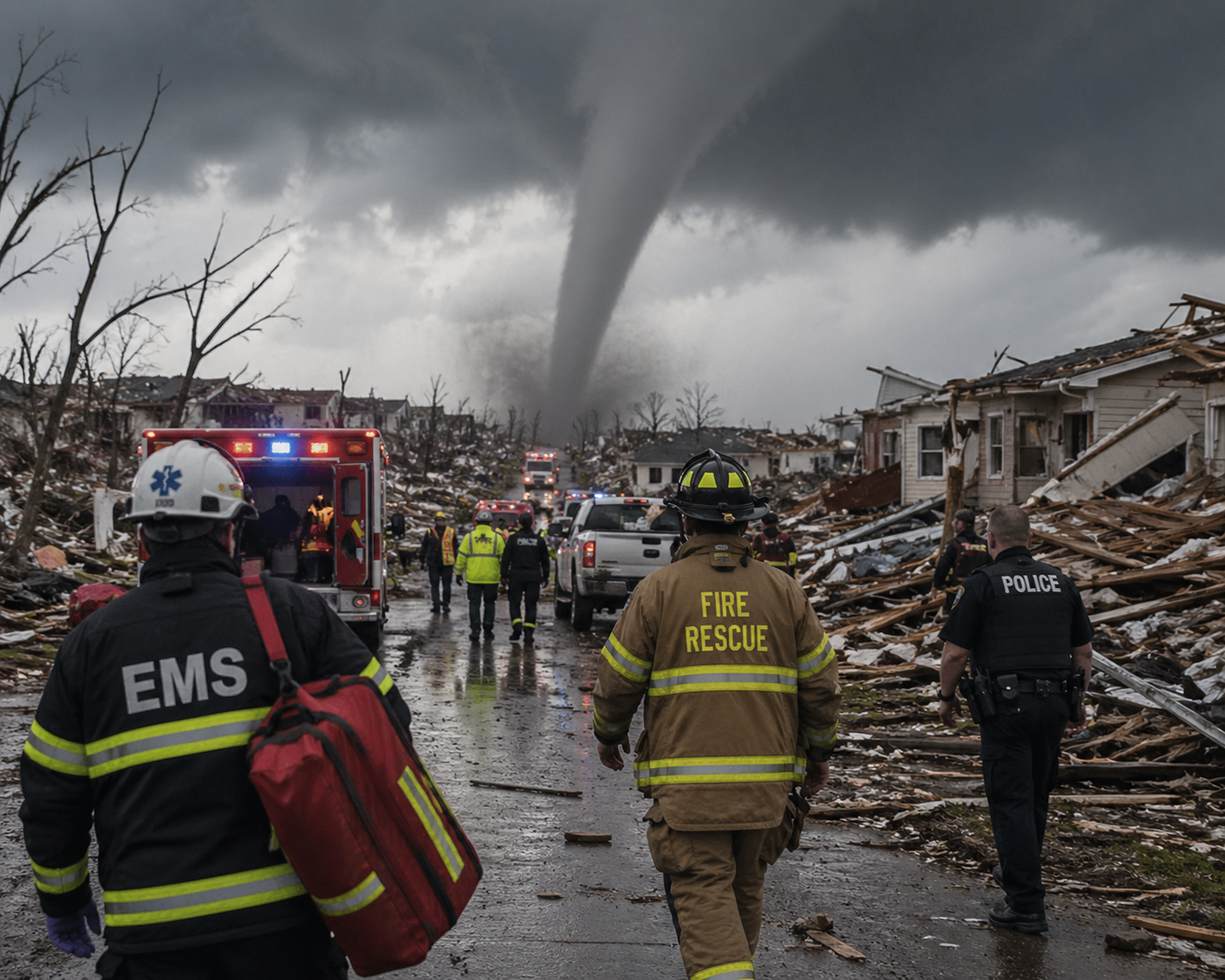
Disaster Response and Service Endorsements Levels: Core and Advanced classes for Disaster Response, Recovery and the Incident Command Network classes.
Training delivery and standards
Nationally consistent curriculum developed by meteorologists, emergency managers, safety experts, and experienced chasers.
Blended learning model: online coursework for theory, regional field labs for practical skill development, and supervised field internships for real-world experience.
Recertification and continuing education requirements to keep pace with evolving climate science, technologies, and best practices.
Clear competency assessments and scenario-based evaluations to ensure practical readiness.
Safety, ethics, and community responsibility
Prioritizing life and public safety over footage or data collection.
Respecting private property, local communities, and emergency response operations.
Promoting deconfliction practices to reduce traffic congestion, road hazards, and interference with first responders.
Encouraging mentorship, peer review, and a culture of continuous improvement.
For agencies, media, and researchers
NASCT-certified teams provide reliable partners for research projects, public safety missions, and media coverage.
Employers and media outlets can use NASCT credentials to vet personnel and ensure professional conduct in the field.
Get involved
Join NASCT to access curriculum, certification tracks, regional training events, and a network of vetted chasers and instructors.
Host or sponsor regional field labs and internships to expand access and strengthen local preparedness.
Encourage adoption of NASCT standards by universities, research institutions, media organizations, and emergency management agencies.
NASCT sets a national standard so storm chasers can pursue their work with competence, accountability, and safety in an era of changing climate and growing public interest. Certification is not just a credential—it's a commitment to protecting people, supporting science, and preserving the integrity of the chase community.
.